Gita al faro
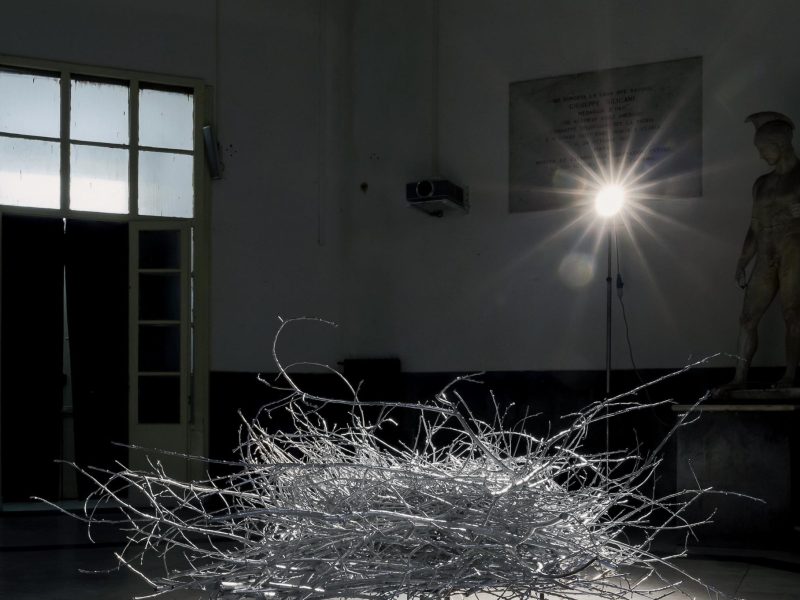
Gita al faro is the title of the exhibition organized in Florence with the last group of Maura Banfo’s artworks. It is a core composed of a photographic project in four lambda print, size 70 x 100 cm, plus three polaroids and two videos, one projected in a darkened and collected space, because of the vibration, and the other to monitor, with headphones to hear sounds.
This project is the result of a research carried out by Banfo during and following an artist residence; she lived for a month – in March 2014 – in a castle overlooking the sea, at the Fondation pour l’art la Napoule, Cannes-Mandelieu, France. A fundamental experience of confrontation with a lighthouse and the sea, understood in this sense as a place where everything is reset, in which you could leave space for silence, a place to find peace and quiet.
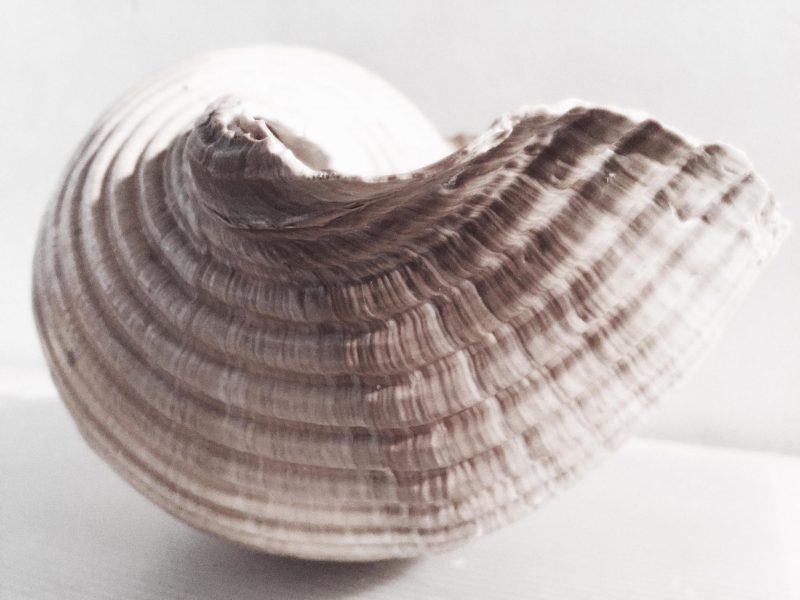
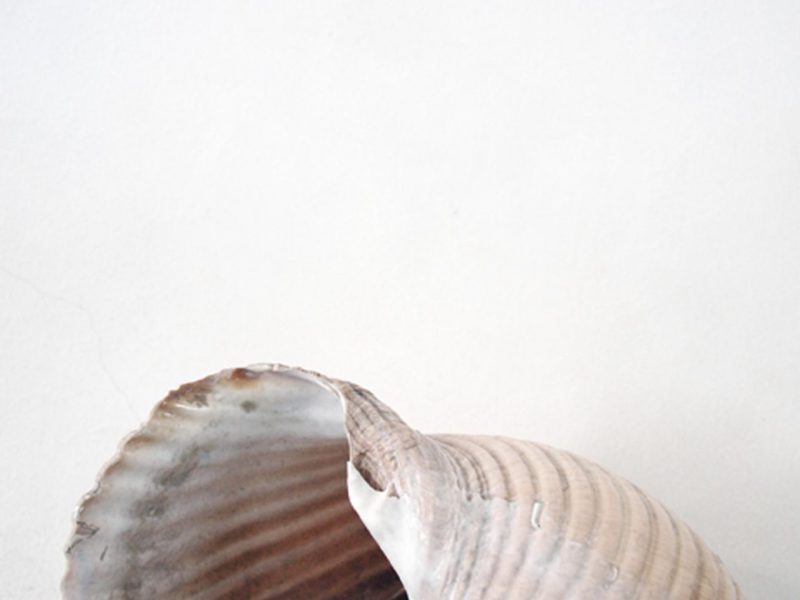
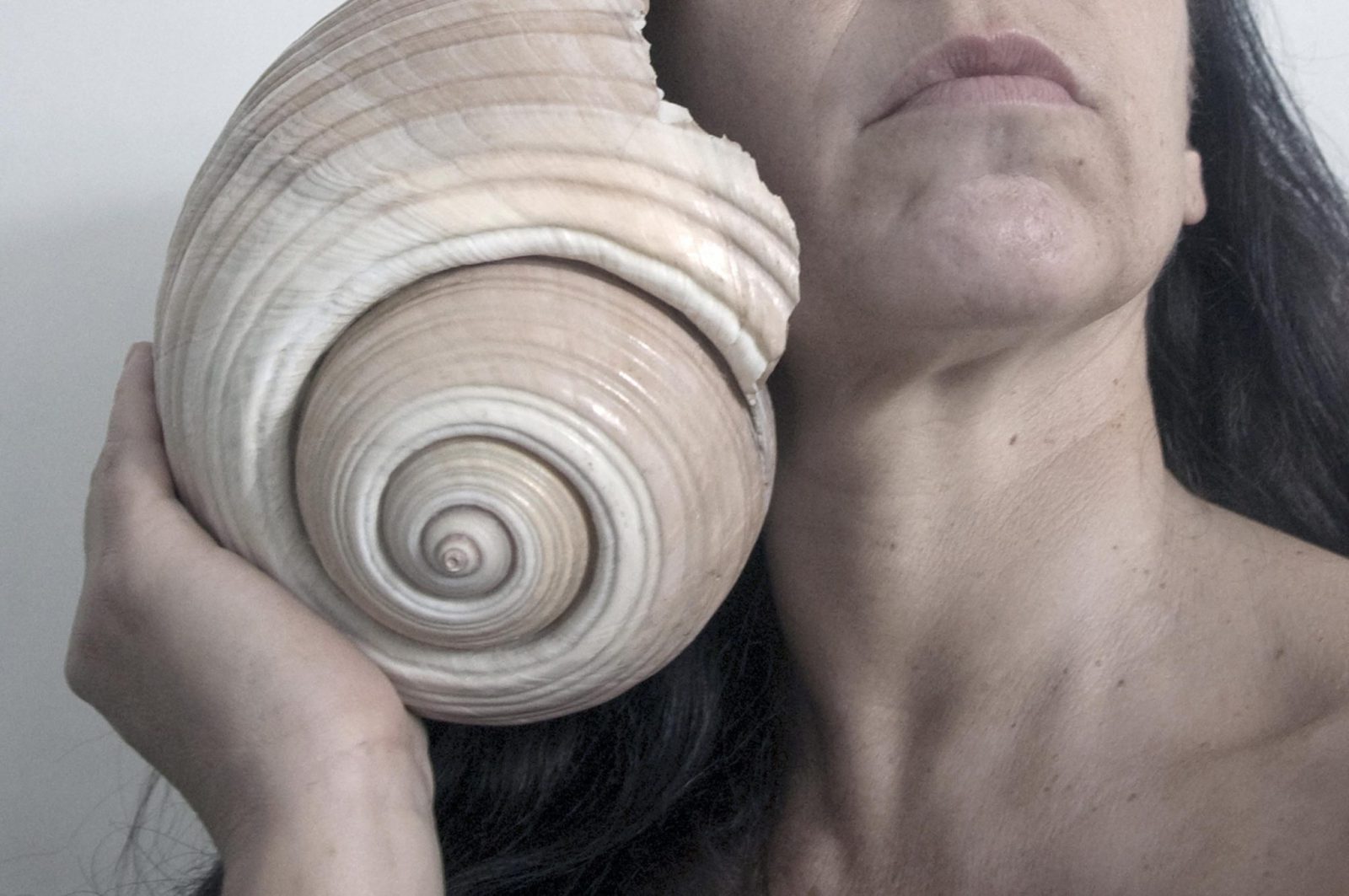
The exhibition begins with the self-portrait of Maura, entitled La Cura, understood as the capable to listen herself again, passing through the shell, a memory material linked to her grandparents, that made her feel the sea inside the shell when she was longing in winter.
Excerpts from the technical interview to Maura Banfo:
“I collect and archive material and I keep almost everything, I delete material with great difficulty. I don’t accumulate object in my life, but I can’t delete my research, especially paper and notes, and unfortunately the more I try to put in order the less I find myself. I think that it’s very nice to open drawers and boxes and find a project of memories … it can happen that from elements of the past new ideas can born. It ‘s like reading a book that you come back to revise passages that struck you. ”
“Photography has had some steps also influenced by time and materials evolution. If I think about some years ago the plexiglass for photographers was a favourite, now I don’t like it anymore, I don’t care. The lambda print instead it is what more it approaches the release of once known as Cibachrome. By now everyone print with the plotter, but honestly the trials that I made have lasted four years, then the colours began to turn. “
“I have always mounted the images on rigid support, it was aluminum or plexiglass. Gita al faro is the first artwork that I tried to leave as a free press, to see how the media reacts to it being free. I do it because some years ago I attended a course on restoration of photography and now I am aware that a free work can be fixed, while if the photograph is glued to a support there is no hope to save it.”
“I don’t like to put in order, to fix anything, even a broken vase. For me it looks like going into the past, is a violence. But as I said I like to work with other people, I’d like to compare myself with those who will work to restore my artwork, or vice versa, I’d like to put my hands on a damaged artwork but with the support of an expert, to reduce my anxiety.”
More images